
An on/off switch for fertility.
Every child desired.
Choice is a tiny valve implant, placed in each fallopian tube in an outpatient procedure through the vagina and cervix. Closed, it is designed to keep sperm and egg apart, ensuring conception is not possible. Opened, it is designed to let fertility return. No hormones, no care, no maintenance.
unintended pregnancies, every year.
Nearly half of all pregnancies worldwide. Many women want contraception that is always there, without hormones or chemicals. Today only sterilisation meets those needs, and it is hard to undo.
Choice is built around one idea: contraception you can switch on or off, the day you decide to.
Source: UNFPA, State of World Population 2022.
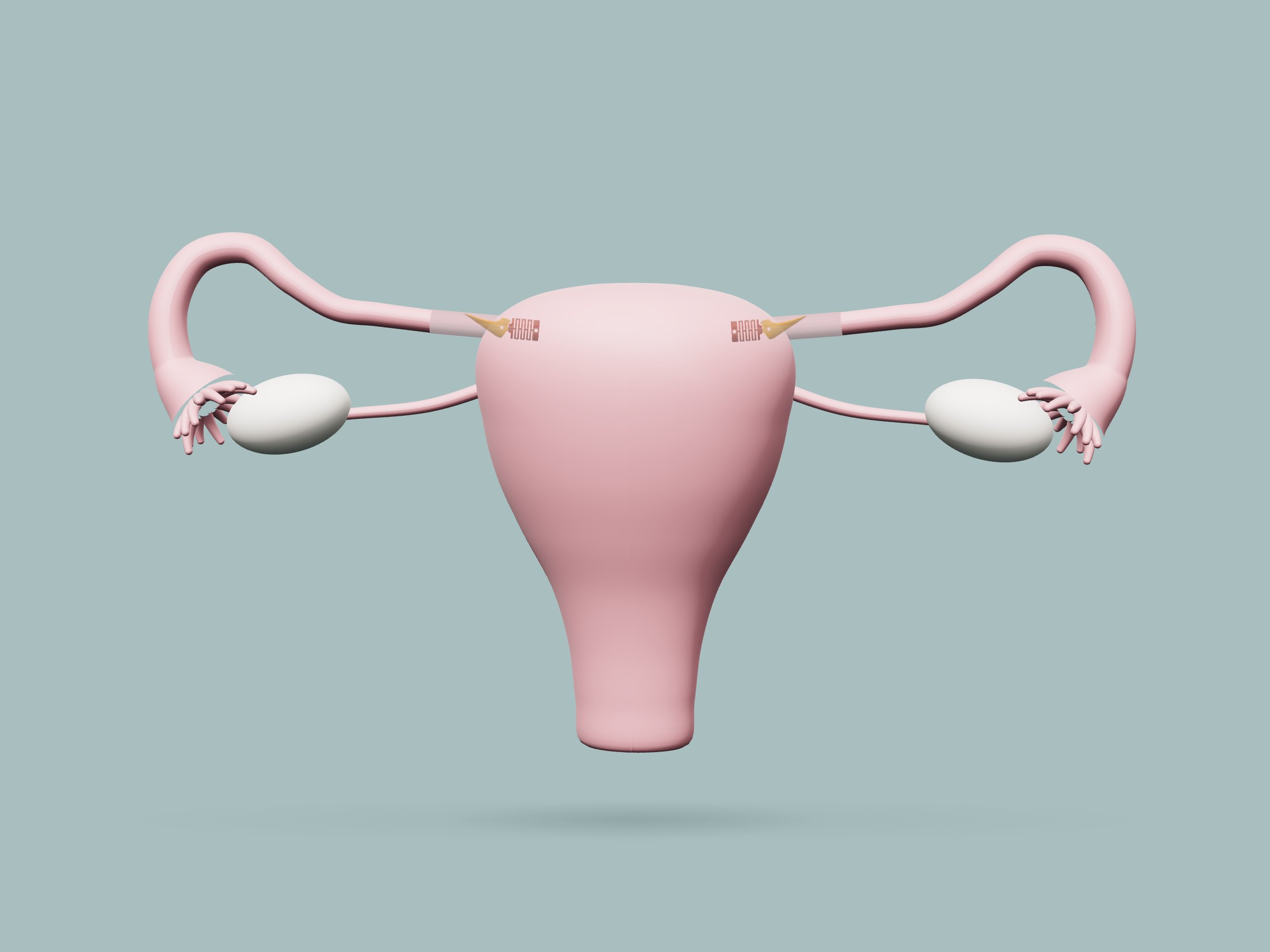 Choice valve
Placed once. Switched when you choose.
Placed through the cervix
In an outpatient procedure, with a dedicated endoscope. No incisions, and specifically designed to be placed and removed without pain.
Closed without power
The valve is bistable: it stays closed on its own. Designed to keep sperm and egg apart, so that conception is not possible.
Opened when you want
Switched open in a short procedure. Designed to let fertility return, and to be removable.
Where Choice stands today.
A medical device earns trust one study at a time. We publish what has been shown, and what has not been shown yet.
Valve, materials and placement tested in the lab, in tissue models and in animals.
Placement studied in women already scheduled for a hysterectomy.
At least 50 women, at several centres.
500 to 1,000 women, in Europe and the US.
FDA approval targeted for 2031, market introduction in 2032.
Where would you like to start?
Choice is for women first. It is also a medical device that clinicians place, and a company raising its next round.
Could Choice one day be for you?
Choice is not available yet. Follow our progress, including what is still uncertain.
Follow progress → For cliniciansGynaecologists and hysteroscopists
How the valve is placed, how it switches, and which studies are running.
For clinicians → For investorsTake Choice into its first studies in women
We are preparing the next round. Materials are shared under confidentiality.
Request investor access →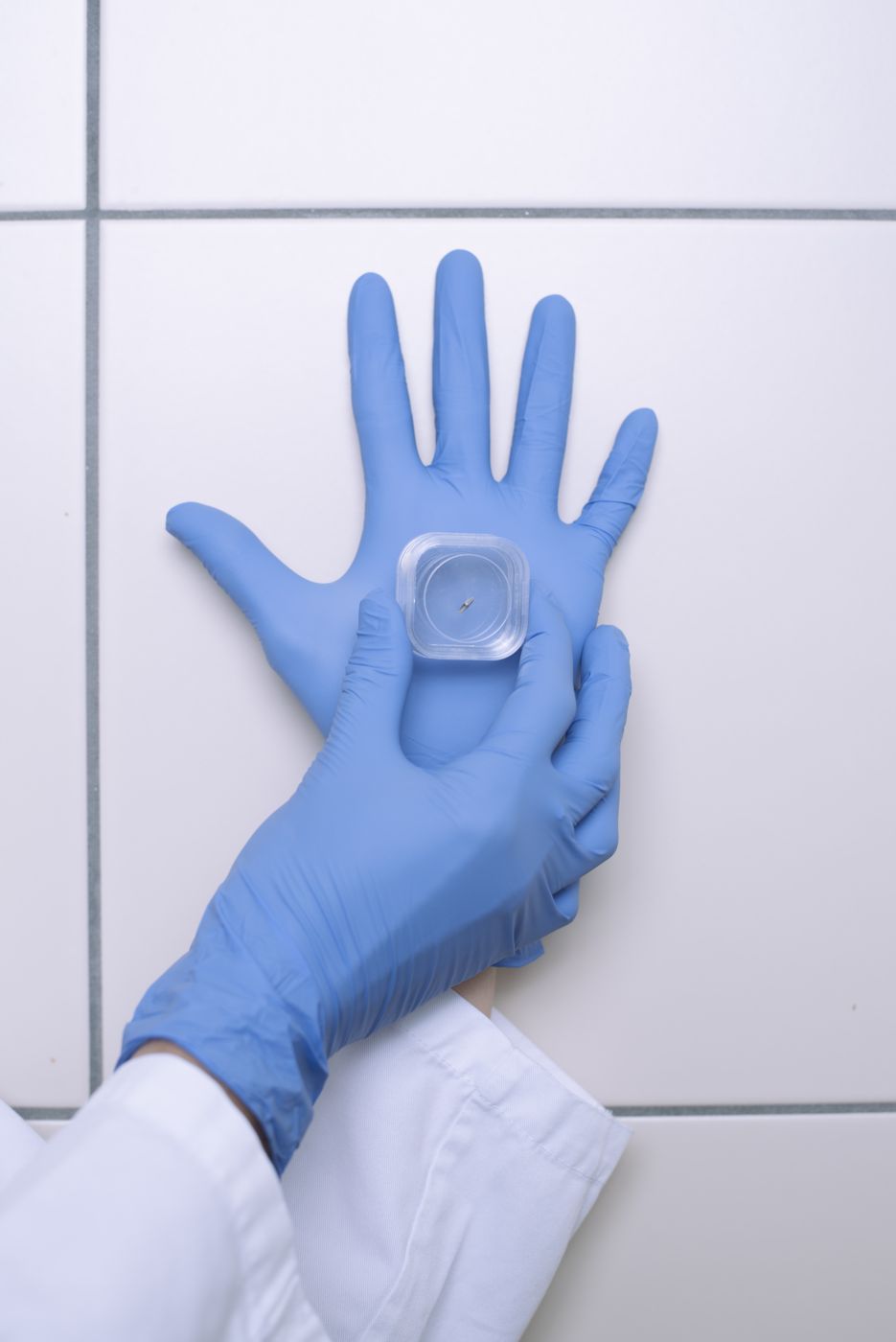
Engineered on the former Philips site.
Choice is designed and built on Strijp-S, with Máxima MC, TU Eindhoven and specialists in fine mechanics, materials and medical regulation. We work under an ISO 13485 certified quality system.
Invest in the next step.
We are preparing the round that takes Choice into its first studies in women. Materials are shared under confidentiality.